Introduction
What happens when you step outside your front door?
This simple question formed the starting point of the keynote delivered by Inge van Wijk (Landscape Designer, BoschSlabbers Landscape Architects) at the Cool Neighbourhoods Mid-Term Conference (12 March 2026, Middelburg, Netherlands).
Her presentation, “Better Health Begins at Your Front Door”, invites us to reconsider something often overlooked in urban planning:
👉 The everyday street.
Rather than focusing only on large-scale interventions or flagship green spaces, the keynote shifts attention to the immediate environment where people live, move, and interact — and how this space directly influences health, wellbeing, and quality of life.
The Street as the First Point of Contact
The presentation begins with a moment of reflection.
“Close your eyes… you open your front door. What do you feel?”
This question reframes the street not as infrastructure, but as an experience.
For many, the reality is familiar:
- Narrow, car-dominated streets
- Limited greenery
- Heat accumulation
- Noise and stress
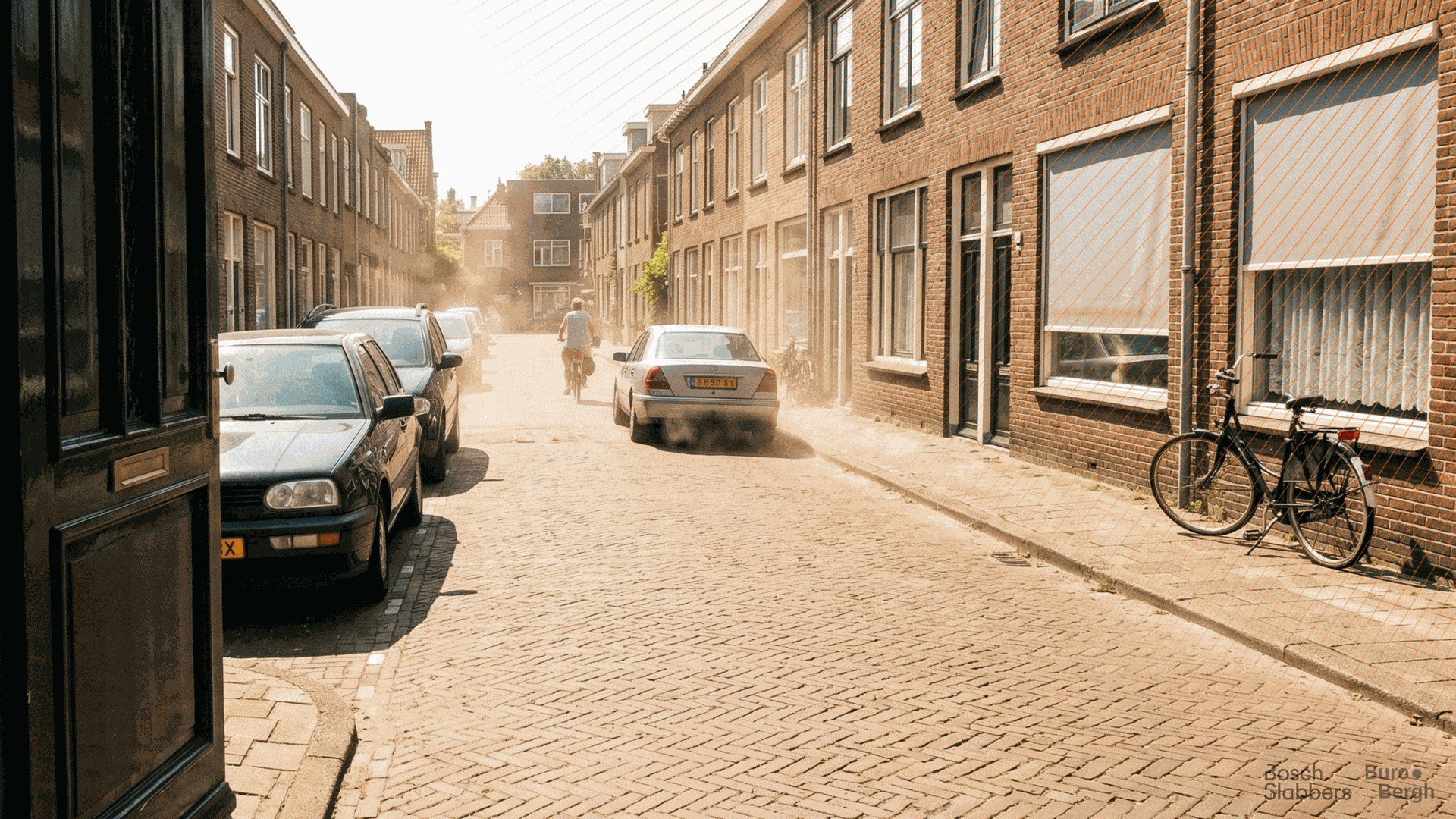
Image: Street view
These environments shape daily life in ways that are often underestimated. They influence how people move, how they interact, and ultimately how healthy they feel in their own neighbourhoods.
From Then to Now: Changing Urban Realities
The keynote highlights how streets have evolved over time.
Where streets once served as shared social spaces, they have increasingly become dominated by vehicles and infrastructure. The transformation from “then” to “now” reflects broader changes in urban priorities — often at the expense of human experience.
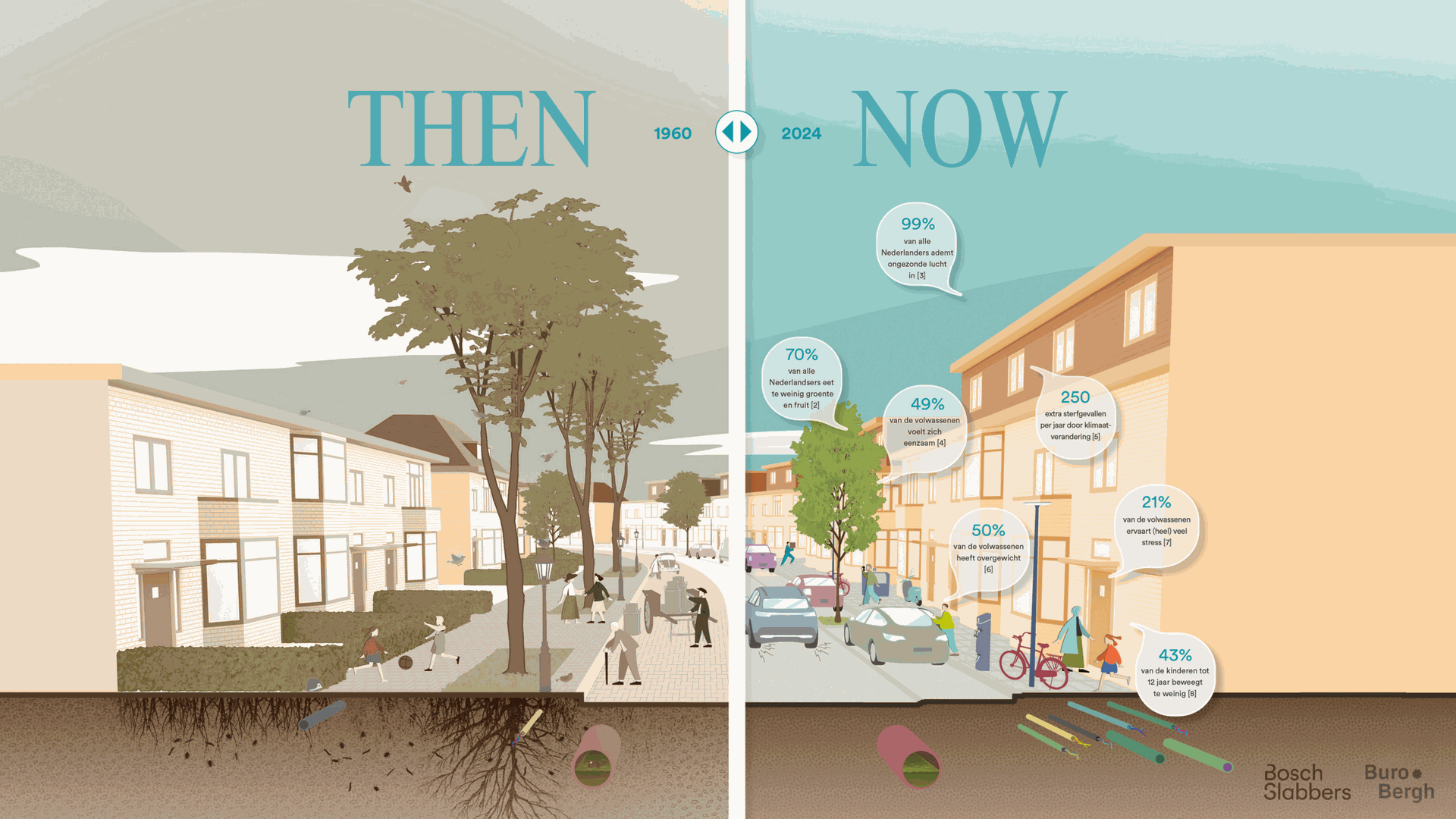
Image: THEN vs NOW comparison
Today, streets must respond to new challenges
- Climate change
- Urban heat
- Public health concerns
- Social cohesion
👉 This requires a fundamental rethink of how streets are designed and used.
The Hidden Network Within Cities
One of the most powerful ideas in the presentation is that streets form a vast, interconnected network — one that has largely been overlooked.
As highlighted in the keynote:
👉 When connected, thousands of streets can become a powerful system for movement, relaxation, and climate resilience
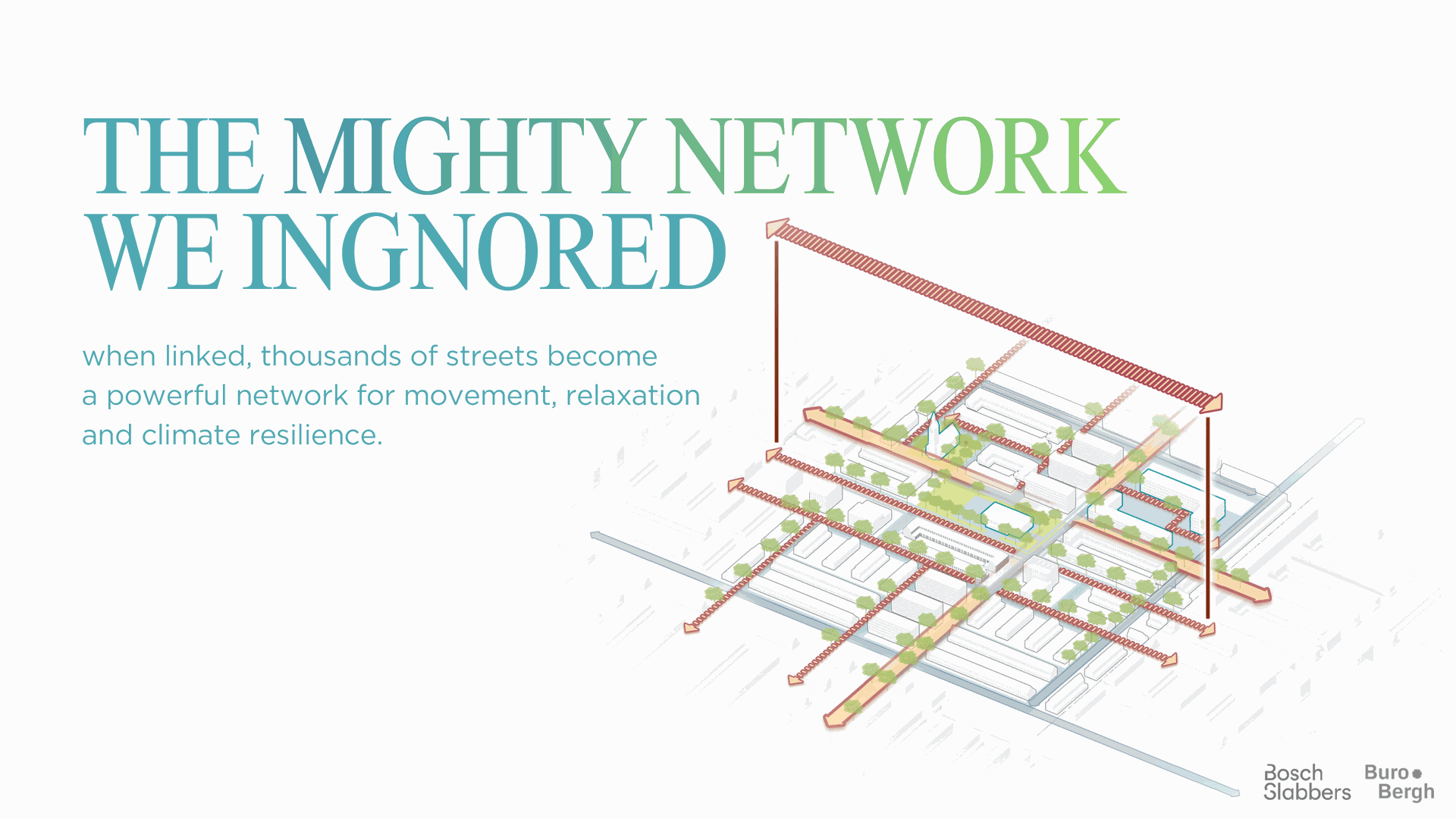
Image: Mighty network we ignored
This reframing is significant. It shifts thinking from isolated interventions to network-based design, where every street contributes to a larger system.
Environmental Inequality and Health
The keynote also addresses a critical issue:
👉 Environmental inequality.
In many cities, the quality of streets varies significantly between neighbourhoods. Poorly designed streets often coincide with areas of higher vulnerability, where residents already face social and economic challenges.
The presentation highlights that:
👉 People in vulnerable neighbourhoods can live up to 15 years shorter
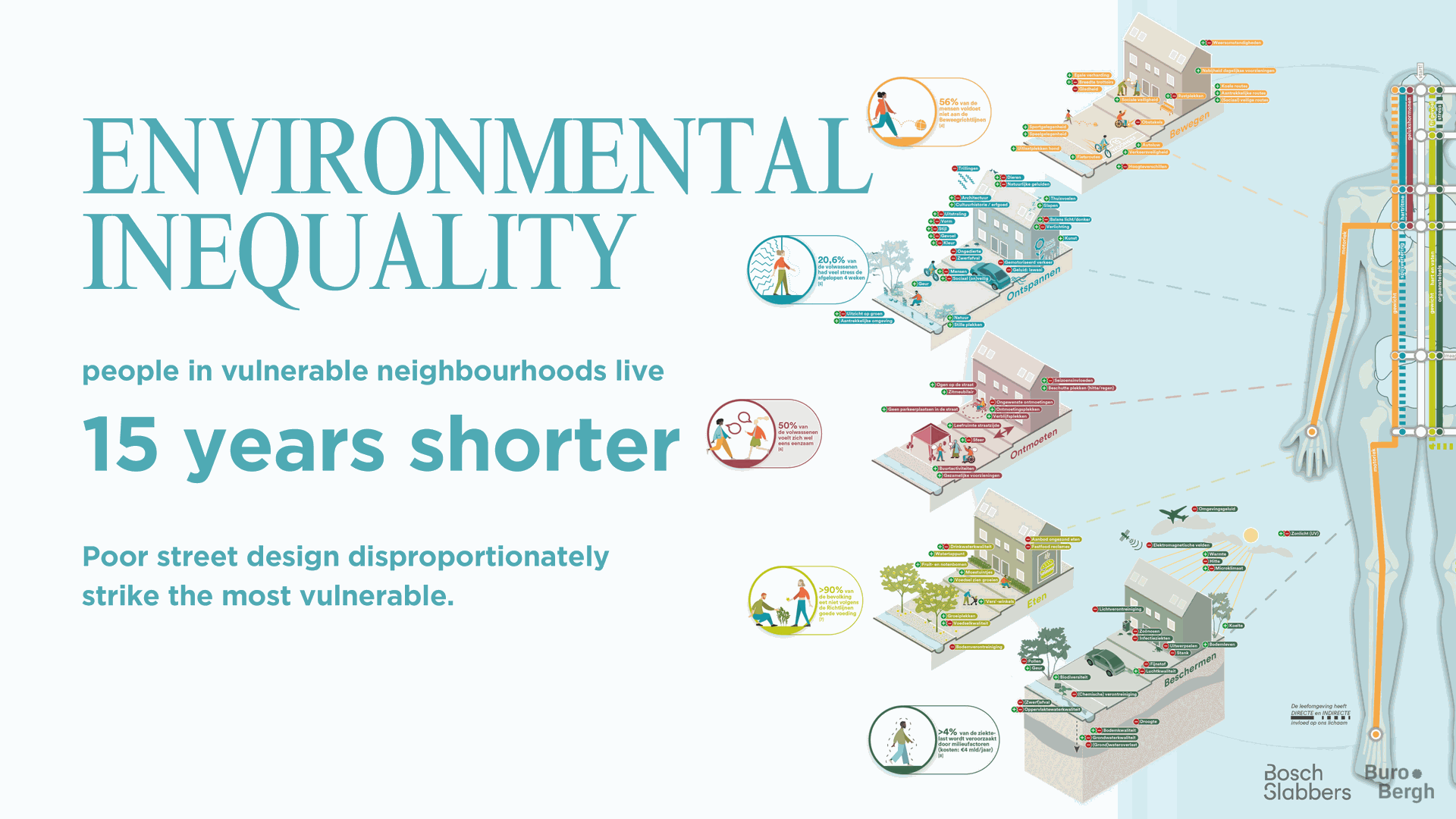
Image: Environmental inequality
This stark reality underlines the importance of equitable design. Streets are not neutral — they can either reinforce inequality or help address it.
Designing Streets for Everyone
A key principle of the keynote is that streets must be designed for everyone, not a single “reference user”.
This includes:
- Children
- Older people
- People with disabilities
- Those with limited mobility
- Socially or economically vulnerable groups
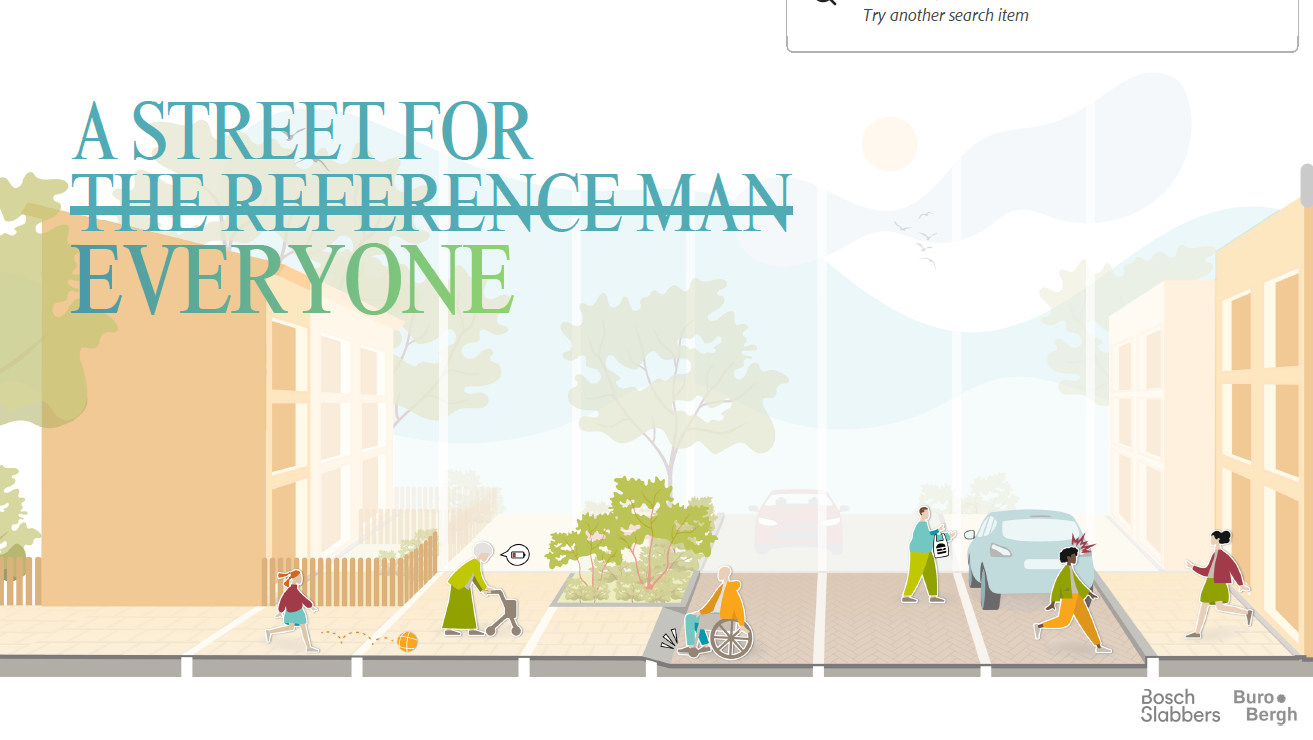
Image: Street for everyone -Inclusion
The concept of the “8–80 rule” is particularly relevant:
👉 If a street works for both an 8-year-old and an 80-year-old, it works for everyone
This principle shifts design priorities towards inclusivity, safety, and accessibility.
The Five Dimensions of a Healthy Street
To support this approach, the presentation introduces the concept of five dimensions of a healthy street.
Rather than focusing on a single function, streets are seen as multi-dimensional environments that support:
- Movement
- Social interaction
- Sensory experience
- Food and community activity
- Protection from environmental stress
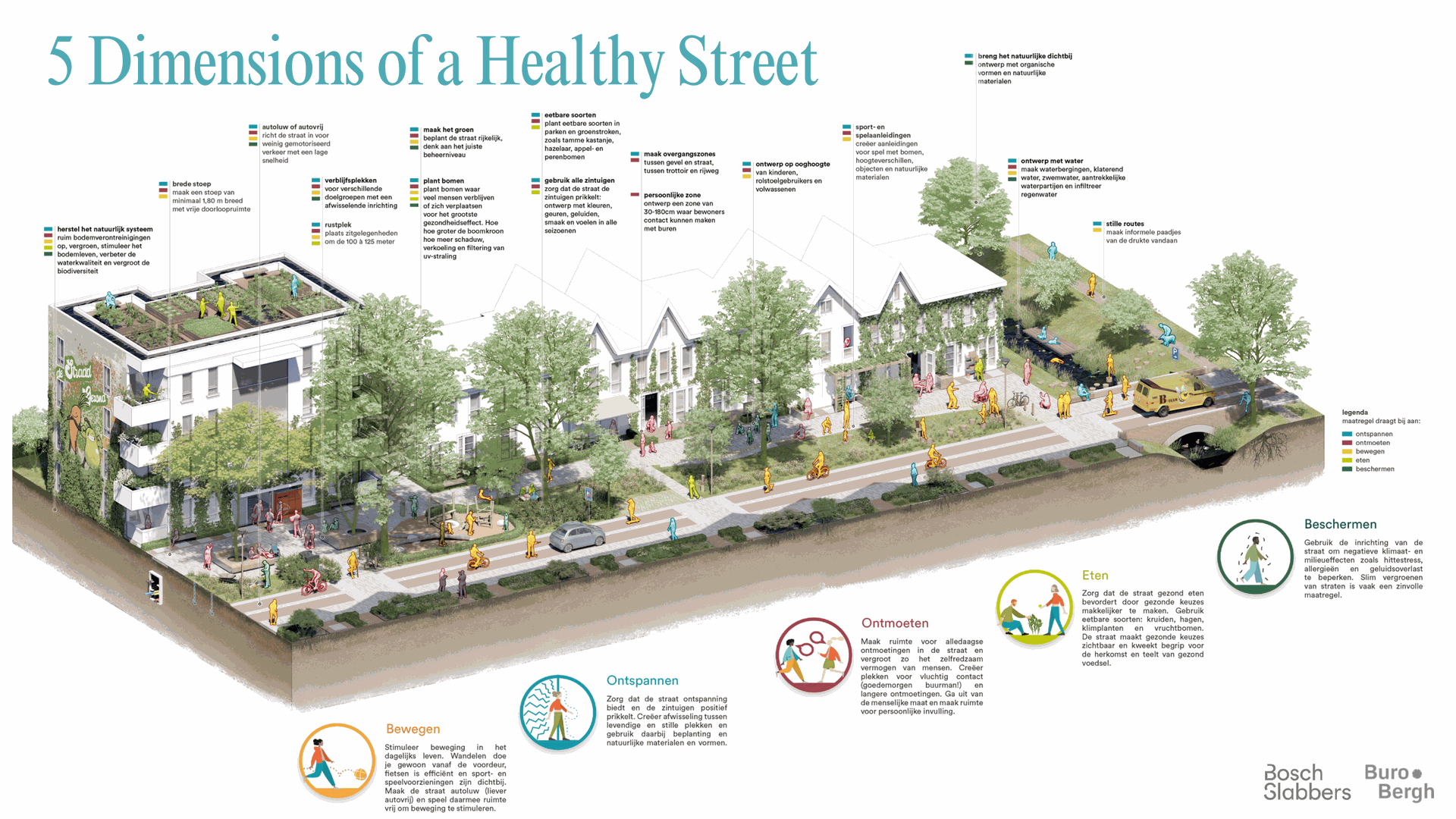
Image: 5 dimensions overview
Each of these dimensions contributes to a more balanced and supportive environment, where streets become places for living — not just passing through.
Designing for Everyday Experience
The keynote places strong emphasis on experience at eye level.
Details such as:
- Shading and tree cover
- Places to sit and meet
- Quiet routes away from traffic
- Clean, well-maintained environments
All contribute to reducing stress and improving wellbeing.
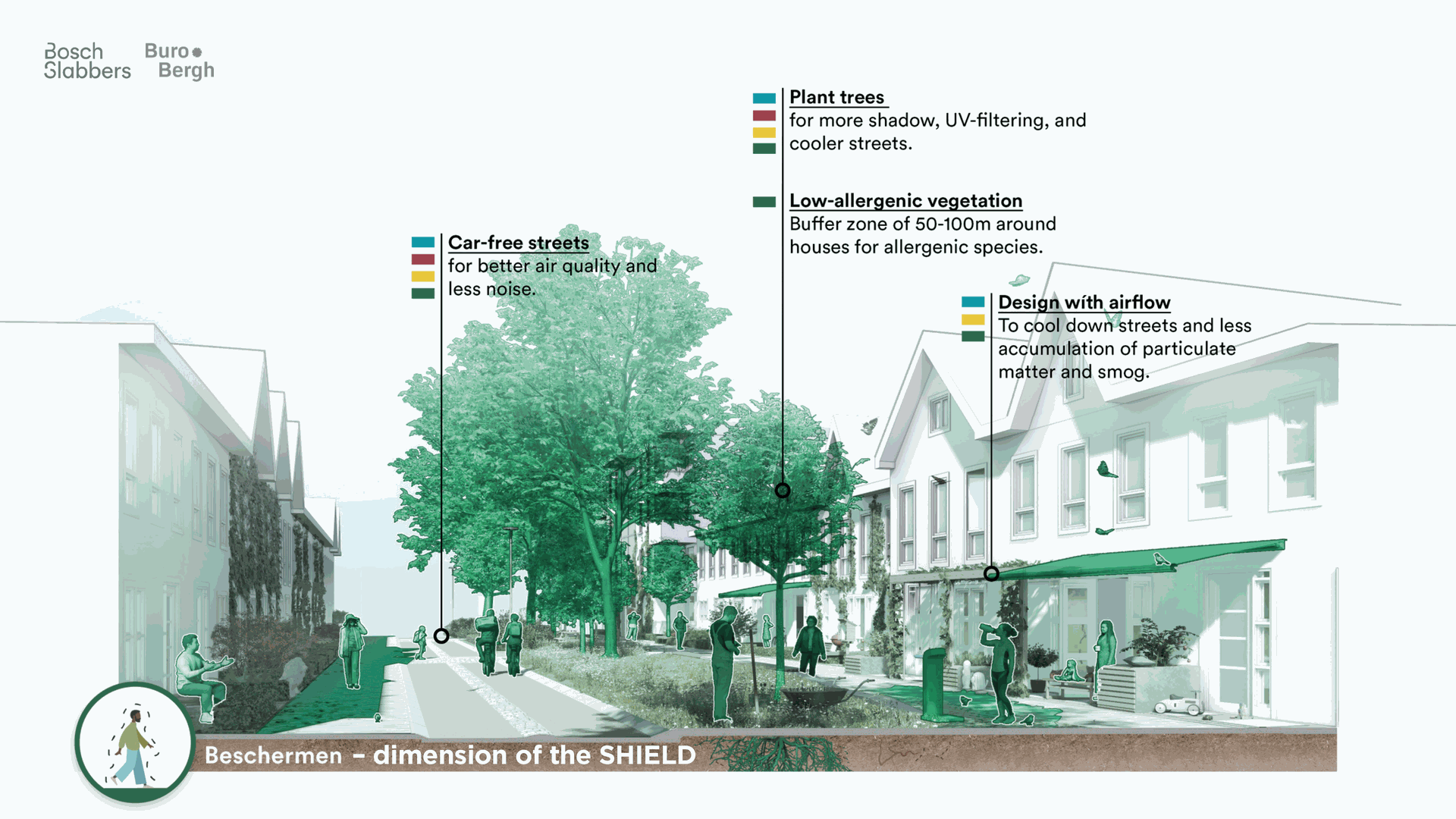
Image: Street design dimensions
This reinforces the idea that small, everyday interventions can have a significant cumulative impact.
From Vision to Implementation
The presentation concludes with a structured approach to implementation.
Rather than a single intervention, cities are encouraged to follow a step-by-step process, including:
- Understanding the street network
- Assessing health and environmental conditions
- Identifying opportunities
- Setting clear ambitions
- Designing and managing for long-term impact
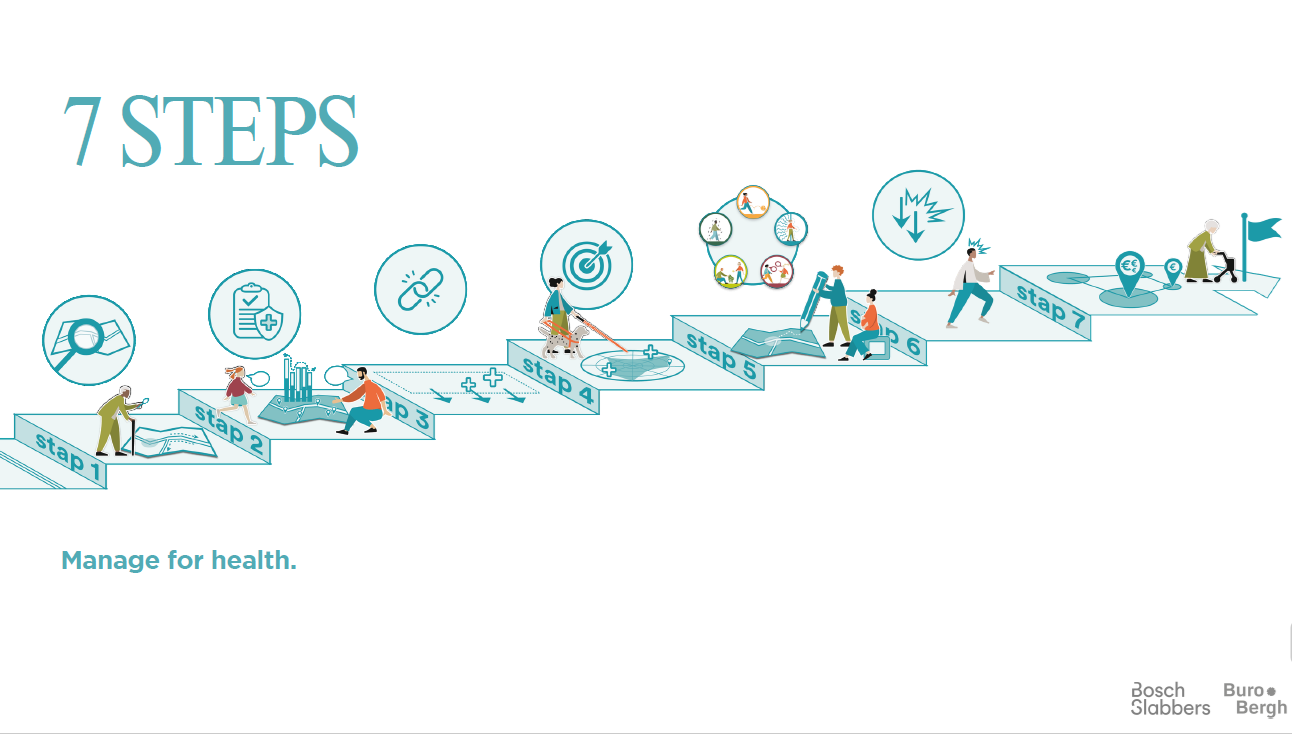
Image: 7 steps process
This provides a practical pathway for translating design principles into real-world change.
Conclusion: Streets as a Foundation for Health
Inge van Wijk’s keynote highlights a simple but powerful idea:
👉 Better health begins at your front door.
By rethinking streets as spaces for people — not just infrastructure — cities can:
- Improve public health
- Strengthen social cohesion
- Enhance climate resilience
- Reduce inequality
👉 Within the Cool Neighbourhoods framework, this represents a critical step in the transition from Grey to Green — where design decisions directly shape everyday life.
What Comes Next
This article forms part of the Cool Neighbourhoods Mid-Term Conference series.
👉 Next in the series:
Building on this focus on design and everyday experience, the final article in the series explores the broader context of European cooperation, highlighting why collaboration across regions is essential for scaling impact, as presented by the Joint Secretariats of Interreg North-West Europe and the North Sea Region - Jenny Thomsen Interreg North Sea Region & Rebecca Grossberg Interreg North West Europe.