From Grey to Green: Turning Knowledge into Action
This article is part of the “From Grey to Green: Turning Knowledge into Action” series, developed following the Cool Neighbourhoods Mid-Term Conference held on 12th March 2026 in Middelburg, Netherlands.
The insights presented in this article are based on contributions delivered during the conference by Emma Westerduin – Architect and Project Partner, Cool Neighbourhoods (Middelburg, Netherlands).

Image: Emma Westerduin
Understanding the Challenge: Heat, Vulnerability and Inequality
Urban heat does not affect all communities equally. The hottest neighbourhoods are often those with high levels of paving and limited green space, where vulnerable populations are most exposed. Evidence shows that, the hottest neighbourhoods are often those with high levels of paving and limited green space. These areas frequently house the most vulnerable populations. Heat stress represents both an environmental and social inequality challenge
Vulnerable groups include:
- Elderly populations
- Low-income households
- Migrant communities
- Young children
👉 This reinforces a critical point:
- Climate adaptation must be socially inclusive and locally grounded.
Co-Creation in Practice: The Edelstenenbuurt Example
The Edelstenenbuurt pilot in Middelburg demonstrates how embedded co-creation approaches can transform engagement and outcomes. This neighbourhood is characterised by:
- High levels of paving (approximately 82%)
- Limited green space
- High surface temperatures (up to 41°C)
- A concentration of vulnerable residents
Rather than applying traditional consultation approaches, the project implemented an embedded co-creation strategy.
👉 The key shift:
- Cool Neighbourhoods did not wait for residents to engage — it actively went to them.
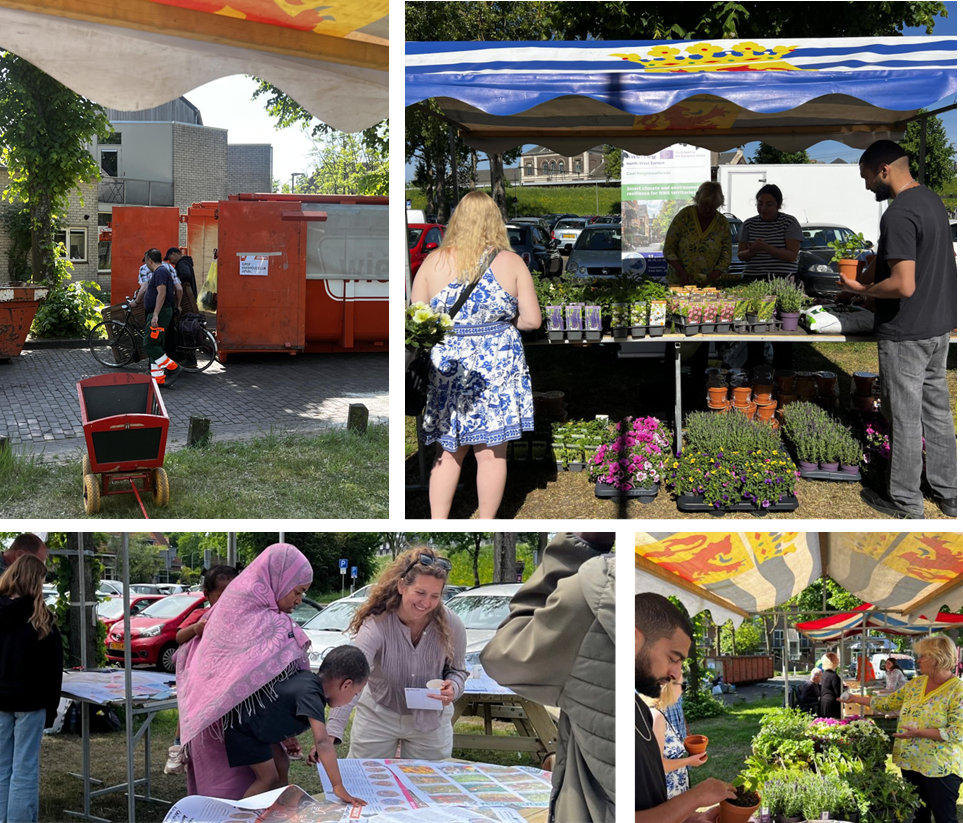
Image: Citizen / Neighbourhood Engagement
Engagement methods included:
- Participation during waste collection days
- Informal street-level interactions
- Use of visual tools and mapping
- Distribution of plants to stimulate interest
This approach ensured:
- Accessibility
- Inclusivity
- Real engagement from underrepresented groups
From Input to Impact
Community insights were translated into design interventions including Nature Green, Doorstep Green, and Community Green solutions. A key strength of Emma’s approach was the direct translation of community input into design outcomes.
Residents expressed a strong desire for:
- More greenery and shade
- Safe, inclusive public spaces
- Opportunities for social interaction
- Community-led greening initiatives
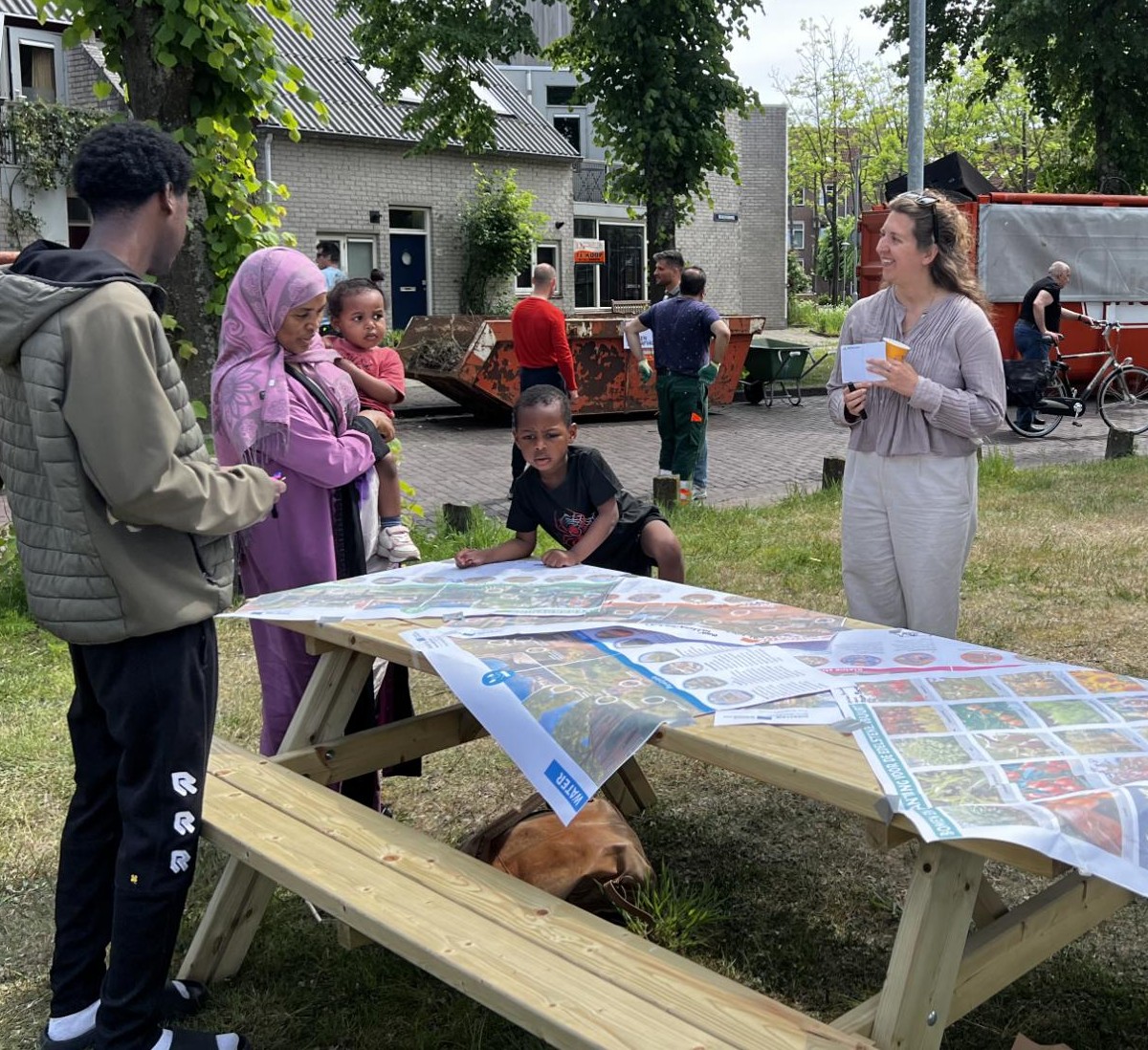
Image: Residents Co-Creating
These insights were translated into three core intervention types:
- Nature Green – larger cooling interventions such as trees
- Doorstep Green – small-scale, resident-managed greenery
- Community Green – shared spaces for interaction and biodiversity
👉 This demonstrates that co-creation is not simply engagement — it is a design methodology.
Five Principles for Effective Co-Creation
1. Understand the community
2. Define scope
3. Align with local activities
4. Low-threshold participation
5. Use visual tools
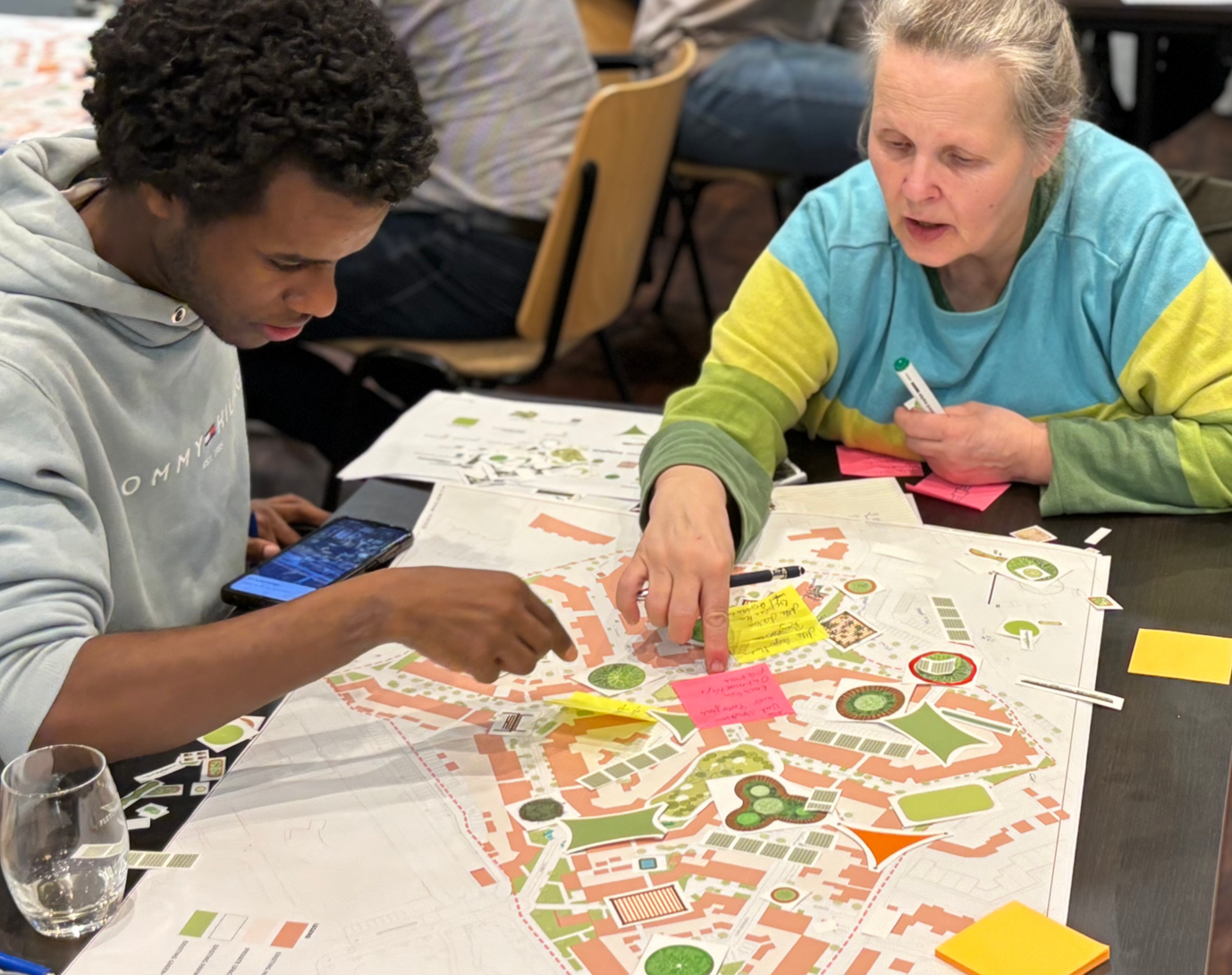
Image: Community Involvement
These principles ensure that co-creation is:
- Scalable
- Transferable
- Effective across different contexts
From Grey to Green: Co-Creation as a Driver of Transition
The transition from Grey to Green requires more than physical change — it requires cultural transformation.
As demonstrated in Emma’s work, co-creation enables:
✔️ Greater community ownership
✔️ Stronger social cohesion
✔️ Increased awareness of climate risks
✔️ Behavioural change at local level
✔️ More effective and accepted interventions
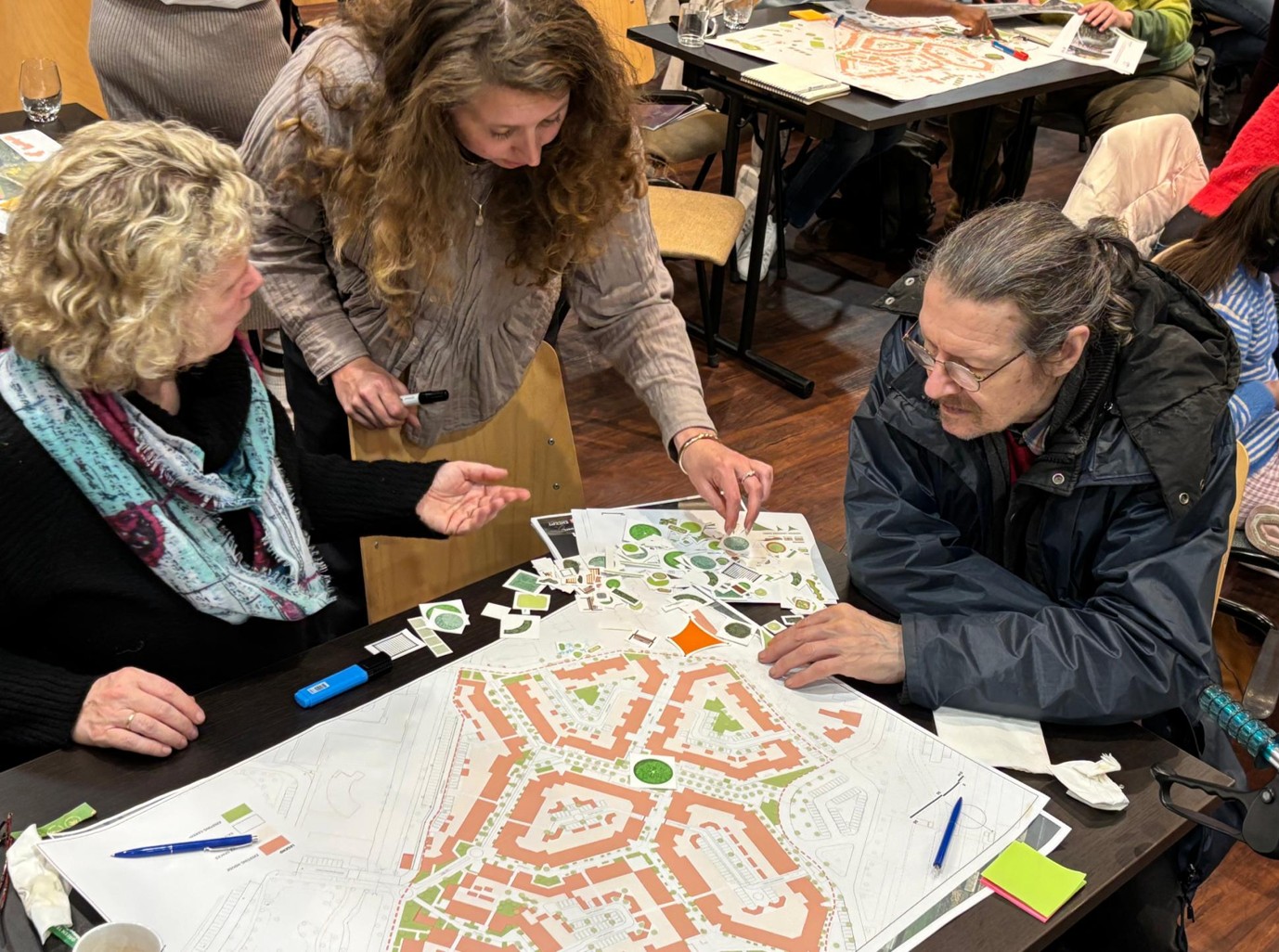
Image: Co-Creating Session
👉 Co-creation transforms residents from passive recipients into active contributors.
Transferability: Lessons for European Cities
The methodology presented by Emma offers clear opportunities for replication. Cities across Europe can adopt this approach by:
- Engaging communities in familiar, everyday contexts
- Using accessible and visual communication tools
- Focusing on vulnerable populations
- Linking social and environmental outcomes
Importantly, this approach is:
👉 Low-cost, high-impact, and immediately transferable
Conclusion: Co-Creation as a Foundation for Climate Adaptation
Co-creation is emerging as a core pillar of climate-resilient urban development.
Within Cool Neighbourhoods, it represents a key step in the journey:
👉 From Grey (analysis and planning)
👉 To Emerging Green (implementation and visible change)
👉 Towards fully Green (resilient, liveable neighbourhoods)
What Comes Next
This article forms part of a wider series exploring key insights from the Mid-Term Conference.
Upcoming articles will feature contributions from:
Eva Gheselle – City of Bruges (GreenDense)
Tim van Hattum – Wageningen University & Research (Climate Futures)
Stephanie Erwin – Cool Cities (Heat Risk Index)
Inge van Wijk – Bosch Slabbers / Buro Bergh (Urban Design)
Joint Secretariats – Interreg North Sea & North West Europe (Capitalisation)
👉 Together, these insights provide a roadmap for cities moving from Grey to Green.