Poster Exhibition Strengthens Collaboration, Learning and Best Practice Exchange Across Cool Neighbourhoods and Partner Projects
The poster exhibition created a space for partners and visitors to explore practical climate adaptation solutions.
One of the most valuable outcomes of the Cool Neighbourhoods Mid-Term Conference in Middelburg was the strong emphasis on collaboration, knowledge exchange and shared learning.
A major highlight of the event was the poster exhibition, which brought together more than 30 posters showcasing pilot experiences, practical solutions and lessons learned from across multiple projects.
The exhibition created a dynamic platform for discussion, enabling partners, stakeholders and visitors to exchange ideas, compare approaches and explore practical solutions for climate adaptation and improved neighbourhood liveability.
More importantly, it demonstrated how knowledge sharing across projects can help accelerate impact far beyond individual pilot areas.
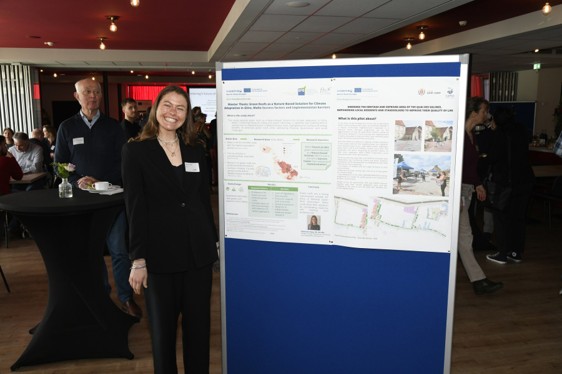
Figure 1. Poster exhibition at the Cool Neighbourhoods Mid-Term Conference.
Sharing Knowledge Across Projects
Partners from different projects used the exhibition to share pilot experience, practical lessons and local solutions.
The poster exhibition brought together contributions not only from Cool Neighbourhoods, but also from partner projects and wider programme networks working towards similar ambitions.
This included valuable exchange with Cool Neighbourhoods, Cool Cities, GreenDense and Polliconnect.
Each project brought different experiences, approaches and practical examples, creating a rich environment for peer learning and discussion.
Topics presented included:
- Nature-based solutions
- Urban cooling strategies
- Citizen engagement
- Heat monitoring
- Climate adaptation planning
- Pilot implementation experiences
- Practical tools and methodologies
This diversity of experience helped participants better understand what is working in different regions and how successful approaches can be adapted elsewhere.
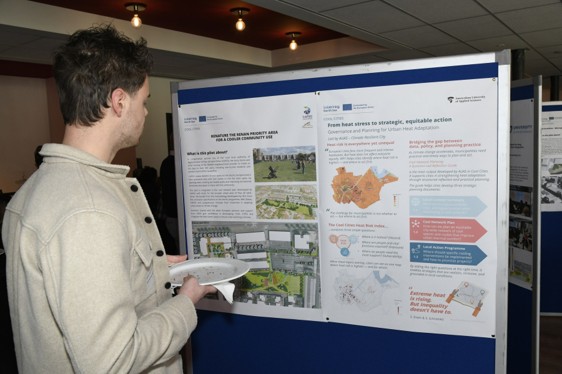
Figure 2. Exhibition posters supporting knowledge exchange across partner projects.
Collaboration Beyond Individual Projects
The exhibition supported direct dialogue between projects, practitioners and regions.
A key strength of the Mid-Term Conference was that collaboration extended well beyond individual project boundaries.
The event demonstrated the value of programme-level cooperation, bringing together projects from both Interreg North-West Europe and the Interreg North Sea Region around a shared ambition of creating cooler, greener and more liveable communities.
This was particularly evident through the collaboration between Cool Neighbourhoods and Cool Cities, where shared discussions highlighted the value of exchanging experiences, methodologies and practical solutions across programmes.
By creating opportunities for direct exchange between projects, municipalities, researchers and practitioners, the conference supported meaningful dialogue around common climate challenges and shared solutions.
This type of collaboration is especially valuable because it strengthens knowledge transfer, encourages replication and supports wider European impact.
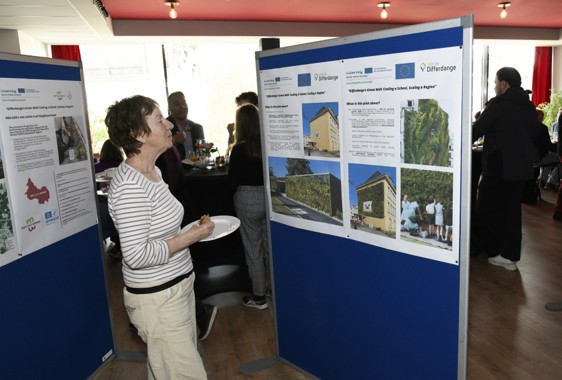
Figure 3. Project posters sharing practical climate adaptation approaches.
From Knowledge Exchange to Practical Learning
Knowledge exchange helped partners compare approaches, discuss challenges and explore transferability.
The poster exhibition became far more than a visual display.
It served as an active communication and learning tool.
Throughout the event, participants gathered around posters to discuss challenges, successes and lessons learned from pilot implementation.
These discussions created opportunities to share not only what has worked well, but also the practical challenges encountered during implementation.
Beyond the exchange of knowledge, the Mid-Term Conference also strengthened relationships across projects, partners and regions. New connections were formed, existing partnerships were reinforced, and important conversations begun in Middelburg continue in earnest today.
This human dimension matters.
Climate adaptation is complex, and no single organisation or region can solve these challenges alone. Collaboration remains one of the strongest tools for accelerating progress.
As the saying goes, a challenge shared is a challenge halved. In the case of Cool Neighbourhoods, with more than 30 posters and practical experiences brought together through the Mid-Term Conference, a challenge shared can become a challenge understood, strengthened and solved together.
This open exchange is essential for supporting better decision making and stronger climate adaptation strategies across Europe.
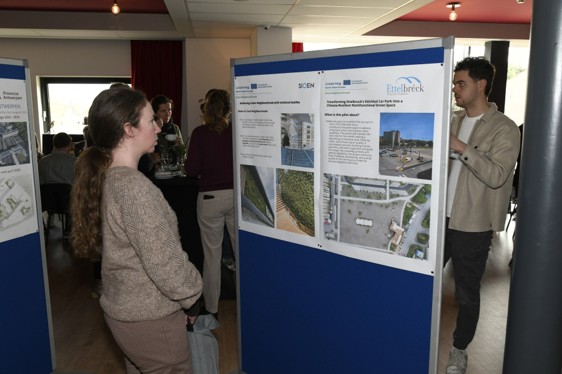
Figure 4. Poster exhibition discussions during the Mid-Term Conference.
Strengthening Long-Term Impact
The exhibition demonstrated how project knowledge can support wider uptake and long-term impact.
As climate pressures continue to grow, collaboration and knowledge transfer are becoming increasingly important.
No single project or region has all the answers.
The Mid-Term Conference in Middelburg demonstrated how cooperation across projects and programmes can strengthen learning, improve decision making and accelerate progress.
By sharing knowledge, best practices and practical experience, projects such as Cool Neighbourhoods, Cool Cities, GreenDense and Polliconnect are helping build stronger pathways towards cooler, greener and more liveable communities.
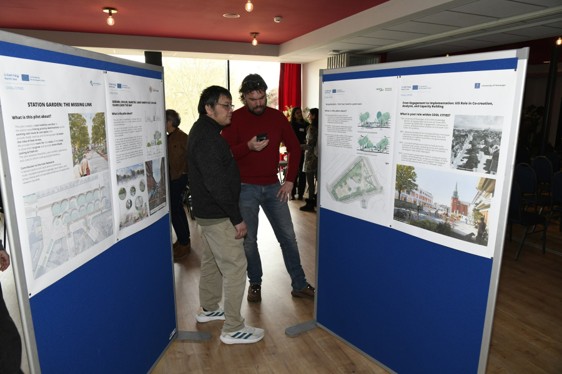
Figure 5. Poster exhibition highlighting collaboration and shared learning.
Looking Ahead
The poster exhibition highlighted the value of practical collaboration and shared learning.
It showed that successful climate adaptation is not only about innovation within individual pilots, but also about learning together across projects, regions and programmes.
This spirit of collaboration remains central to the future success of Cool Neighbourhoods.
From Knowledge Exchange to Collective Action.
From Collaboration to Climate Impact.
From Local Solutions to European Change.