
Empowerment Process Guidebook - supporting local climate action through citizen engagement.
Neighbourhood climate adaptation works best when the people who live, work, learn and spend time in a place are involved in shaping what changes, how it changes and why it matters.
The Empowerment Process Guidebook places this principle at the heart of local climate action.
Developed through Cool Neighbourhoods, the guidebook supports municipalities and project teams in designing engagement processes that move from information-sharing towards dialogue, participation and co-creation.
It is the first featured resource in the new Published Reports & Outputs section on the Cool Neighbourhoods website, where selected public-facing project resources will be made easier for stakeholders to access and use.
The section provides a practical home for frameworks, guidebooks, training resources, pilot outputs and tools that can support neighbourhood-scale climate adaptation beyond individual project activities.
The message of the guidebook is clear:
Cooler, greener and more liveable neighbourhoods are created with communities, not simply for communities.
A New Knowledge Resource for Stakeholders

The new Published Reports & Outputs section will help stakeholders access practical resources developed through Cool Neighbourhoods.
The Published Reports & Outputs section has been created to share selected Cool Neighbourhoods resources in a clear and accessible way.
Its role is practical: to help municipalities, public authorities, policymakers and climate practitioners find resources that can inform local planning, engagement and implementation.
For the Empowerment Process Guidebook, this means giving stakeholders direct access to a resource focused on people, participation and shared ownership.
The section will provide access to:
- Frameworks and methodologies
- Guidebooks and toolkits
- Training and learning resources
- Pilot outputs and case studies
- Practical climate adaptation tools
By sharing these outputs, Cool Neighbourhoods can help knowledge travel further, supporting municipalities and stakeholders who are working to turn local climate ambitions into practical action.
First Featured Output - Empowerment Process Guidebook
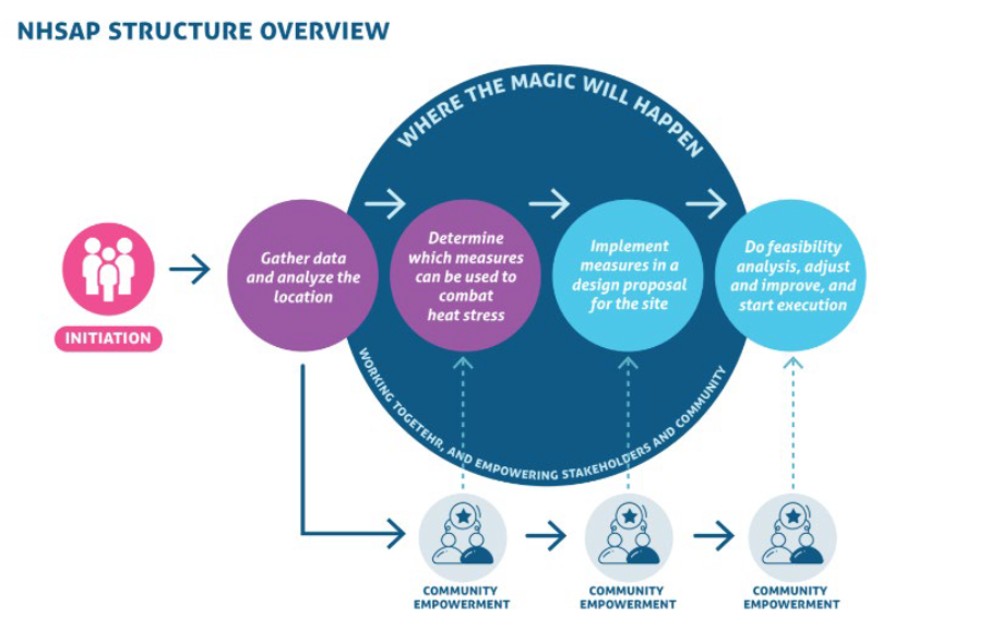
The guidebook shows how empowerment supports the wider Cool Neighbourhoods process from planning to implementation.
The Empowerment Process Guidebook is the first featured output in this section because empowerment sits at the centre of the Cool Neighbourhoods approach.
The guidebook supports municipalities and project teams in preparing, structuring and delivering citizen engagement processes that are clear, inclusive and connected to neighbourhood-scale climate adaptation.
It helps local authorities think through who needs to be involved, how engagement can be organised and how participation can contribute to stronger planning and implementation.
In this way, empowerment becomes more than a communication activity. It becomes part of how cooler, greener and more liveable neighbourhoods are planned, discussed and delivered.
Why Empowerment Matters
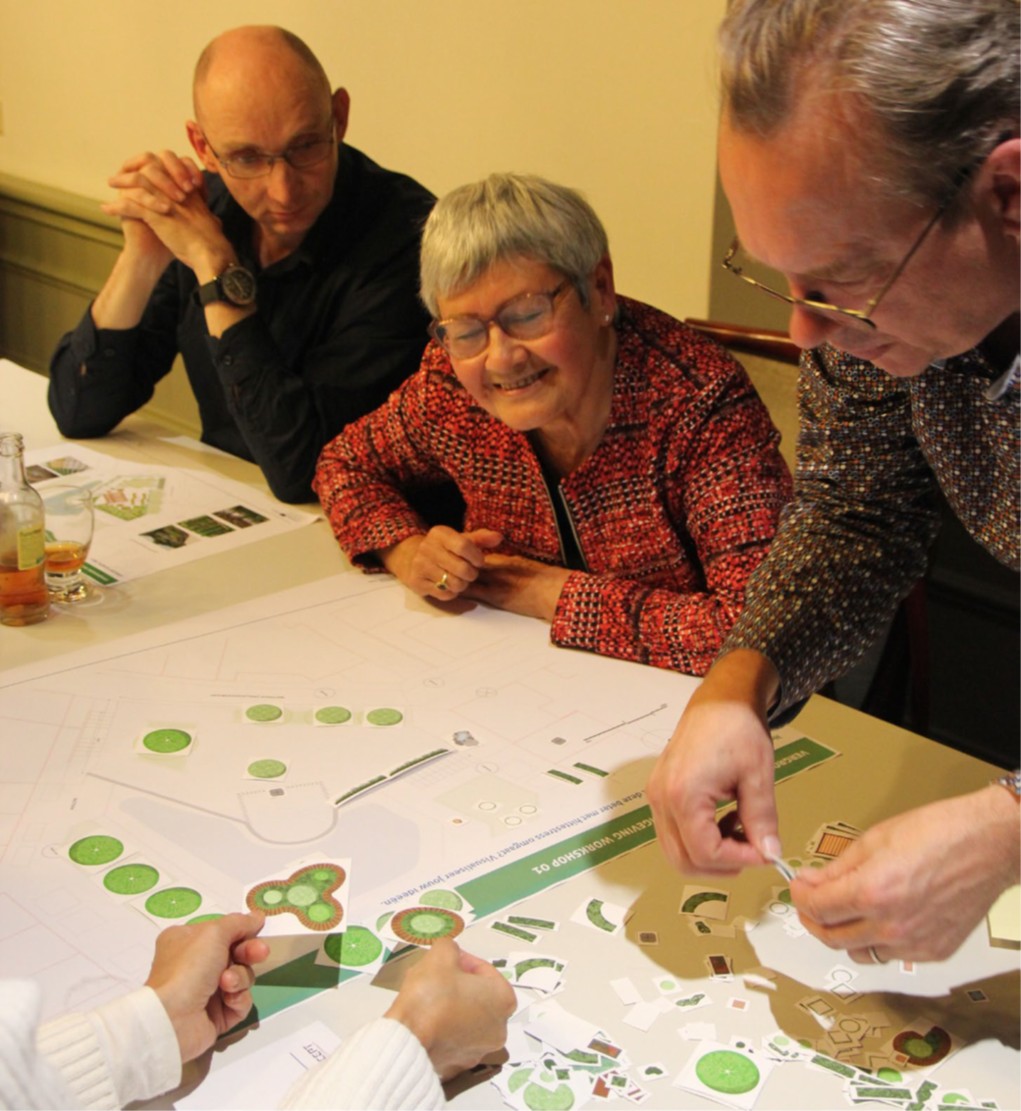
Successful climate adaptation depends on meaningful dialogue, participation and shared ownership.
Traditional consultation can be useful, but on its own it is often not enough.
When residents are only asked to respond to plans that have already been shaped, important local knowledge can be missed. People may understand where heat is felt most strongly, where shade is lacking, which public spaces are used every day and what would make a place feel safer, greener or more welcoming.
Empowerment changes this relationship. It creates space for trust, participation and shared ownership, so that communities are not only informed about climate adaptation but can help shape it.
At neighbourhood level, this matters because climate adaptation is experienced in everyday places: streets, courtyards, school grounds, public squares and green spaces. Solutions are more likely to be understood, accepted and cared for when people have been part of the process from an early stage.
The Empowerment Process Guidebook helps municipalities move from consultation to collaboration by supporting practical engagement methods such as neighbourhood workshops, participatory mapping, co-design sessions, citizen dialogues and stakeholder engagement activities.
These approaches help bring technical climate knowledge together with lived experience. They support better conversations, clearer priorities and a stronger sense that local climate action is something communities can help build and maintain over time.
A Practical Framework for Local Authorities

The Participatory Process Framework provides municipalities with a structured pathway for stakeholder engagement, co-creation and long-term implementation.
The guidebook provides a structured approach for designing and delivering engagement processes that are practical for local authorities and meaningful for communities.
It helps municipalities:
- Understand different levels of participation
- Identify residents, stakeholders and local partners
- Design engagement strategies that match the local context
- Build trust through clear dialogue and repeated involvement
- Support co-creation through workshops, mapping and design sessions
- Connect participation to implementation and long-term resilience
The value of the guidebook lies in its practical focus. It supports municipal teams in planning engagement as part of the adaptation process, rather than as an isolated activity at the end.
For public authorities, this can help turn neighbourhood knowledge into better decisions, stronger collaboration and climate action that is more closely connected to the people and places it is intended to serve.
Supporting Knowledge Transfer and Project Legacy
The new Published Reports & Outputs section gives the Empowerment Process Guidebook a clear place to be found, read and reused.
This supports knowledge transfer in a simple and practical way: by making useful project resources available to those who can apply them in their own local context.
Over time, the section can help municipalities and stakeholders learn from Cool Neighbourhoods outputs and adapt them to their own work on climate resilience and improved neighbourhood liveability.
The Empowerment Process Guidebook is a first step in making that learning more accessible, practical and connected to long-term local action.
Explore the New Section
Explore the Resources section and access the Empowerment Process Guidebook and future public-facing resources from the Cool Neighbourhoods project.
Access the Empowerment Process Guidebook in Published Key Documents
Start with people.
Build trust through participation.
Turn shared knowledge into cooler, greener and more liveable neighbourhoods.