During the Cool Neighbourhoods session at the Joint Research Centre Zeeland (JRCZ) in Middelburg, Jasper van den Heuvel from HZ University of Applied Sciences presented findings from the Edelstenenbuurt and the city centre, focusing on one of the project’s most impactful components: citizen-driven temperature monitoring.
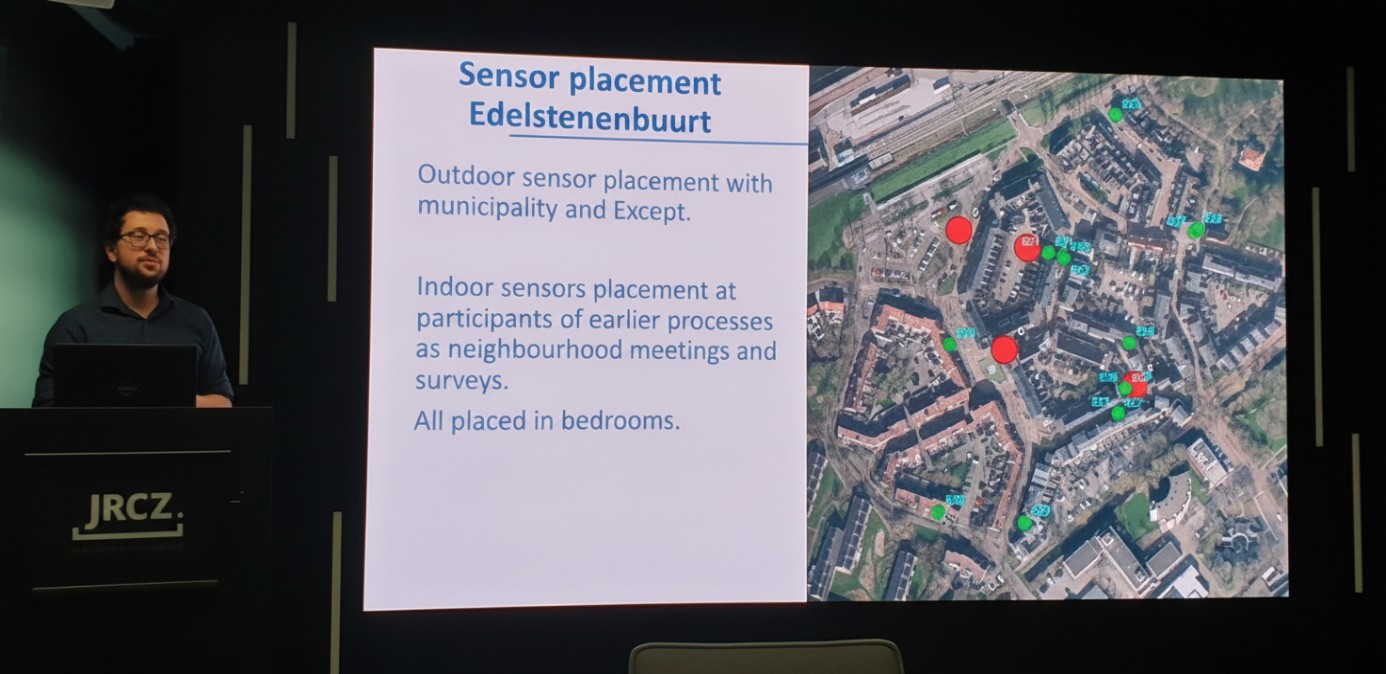 IMAGE – Jasper van den Heuvel presenting at JRCZ
From Data Collection to Community Engagement
As part of the Cool Neighbourhoods project, a network of temperature sensors was deployed across public spaces, streets, residential areas and indoor environments. This citizen science approach actively involved residents in the data collection process, helping transform communities from passive participants into active contributors to climate adaptation knowledge.
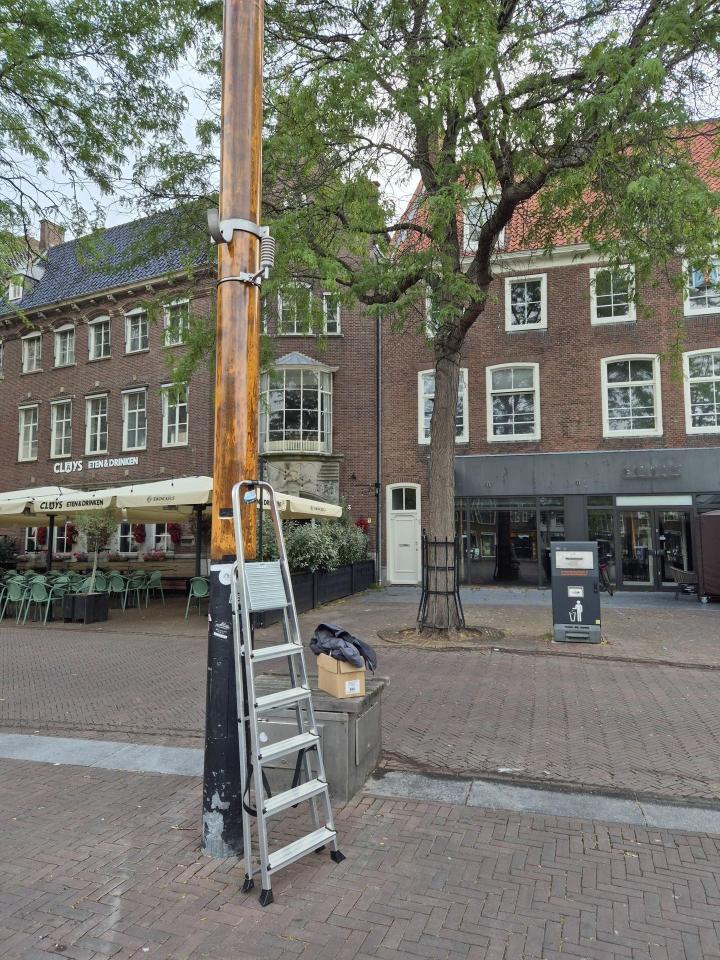 IMAGE – Sensor deployment / neighbourhood monitoring image
Hyper-Local Heat Mapping
The sensor network generated high-resolution neighbourhood-level data, revealing how heat accumulates differently across urban environments. Findings highlighted elevated temperatures in narrow, stone-dominated streets, limited airflow areas, and exposed locations lacking vegetation or shading.
These hyper-local insights help municipalities identify heat bottlenecks and prioritise targeted adaptation interventions.
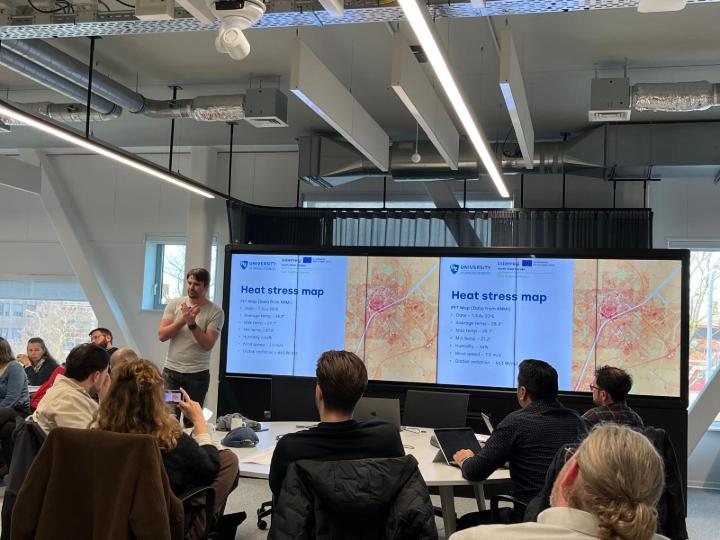 IMAGE – Heat sensor map or street-level heat monitoring visual
Indoor Heat Exposure
An important dimension of the monitoring campaign focused on indoor temperatures. Prolonged indoor heat exposure can significantly affect vulnerable residents, particularly elderly populations and those with limited mobility. By combining indoor and outdoor measurements, the project provides a more complete understanding of neighbourhood heat stress.
Citizen Science and Livability
Beyond technical monitoring, the project demonstrated how citizen science strengthens awareness, engagement and ownership within communities. Residents participating in the monitoring process gain greater understanding of climate risks while contributing directly to evidence-based adaptation planning.
This supports broader Cool Neighbourhoods objectives related to urban livability, climate resilience, public health and social cohesion.
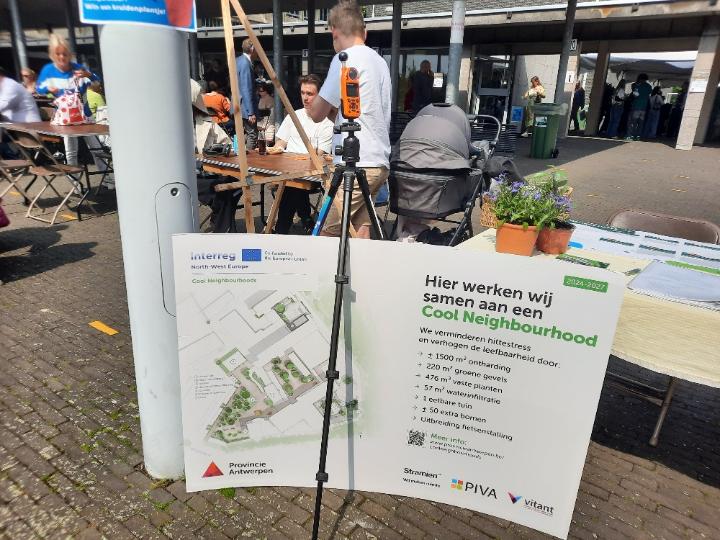 IMAGE – Community engagement / climate-resilient neighbourhood image
Supporting Neighbourhood Heat Stress Action Plans (NHSAPs)
The monitoring activities directly support the development of Neighbourhood Heat Stress Action Plans by identifying priority intervention zones, validating modelling outputs and strengthening the evidence base for municipal decision-making.
Conclusion
The session at JRCZ highlighted the growing importance of combining digital innovation, citizen participation and real-world monitoring within climate adaptation strategies. Through hyper-local data collection and community engagement, Cool Neighbourhoods continues to support practical, evidence-based approaches that improve climate resilience and long-term urban livability.