Introduction
How do cities decide where to act first when addressing urban heat?
This question sits at the heart of effective climate adaptation. While the impacts of heat are becoming increasingly visible across European cities, the challenge is not only understanding the problem — but determining where interventions will have the greatest impact.
At the Cool Neighbourhoods Mid-Term Conference (12 March 2026, Middelburg, Netherlands), Stephanie Erwin (Amsterdam University of Applied Sciences) presented an approach to answering this question through the concept of planning equitable cool networks.
Her presentation moves the discussion from ambition to action — focusing on how cities can identify, prioritise, and implement interventions in a way that is both strategic and fair.
Bridging the Gap Between Research and Practice
A key starting point in the presentation is the recognition that urban heat adaptation is not simply a technical or design challenge.
Instead, it is a process that raises fundamental questions:
- Who decides where interventions take place?
- What are the priorities?
- Where is the greatest risk?
- Which solutions are appropriate — and where?
These questions highlight a persistent gap between research and practice. While many tools exist to analyse heat, far fewer support cities in translating this analysis into clear, actionable strategies .
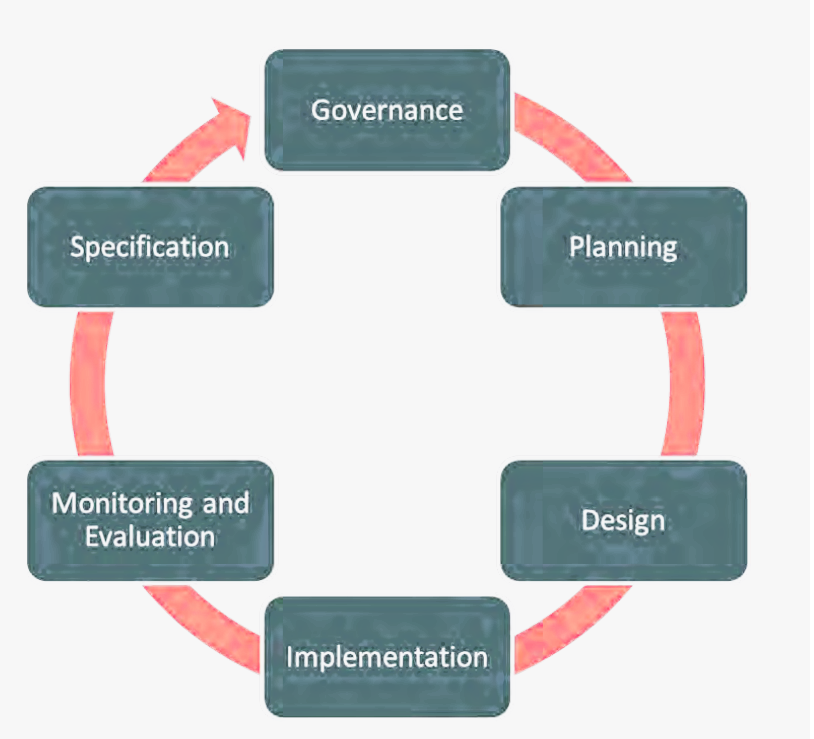
Image: Urban adaptation process / governance cycle
Why Current Approaches Are Not Enough
Traditional approaches to heat risk assessment rely heavily on technical methods such as:
- Meteorological data
- Remote sensing
- Modelling and stress testing
While these methods are essential, they often present a challenge for decision-makers.
👉 The result is familiar:
“It looks hot everywhere — so where do we focus?”
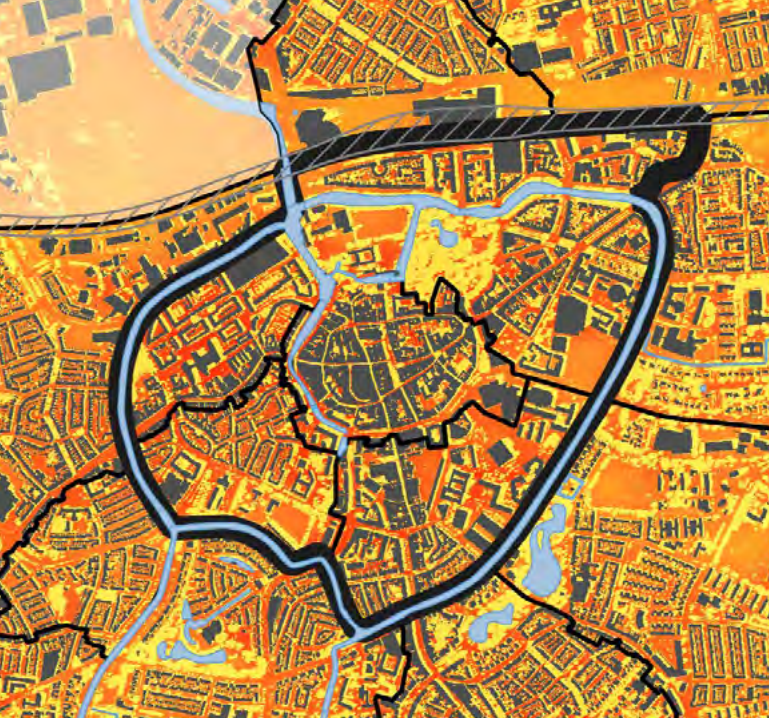
Image: Heat map showing hot everywhere
Critically, these approaches often fail to account for:
- Social vulnerability
- Demographic differences
- Adaptive capacity
This means that areas with the greatest need are not always clearly identified.
Towards a More Inclusive, Data-Driven Approach
The presentation introduces the need for a more inclusive and data-driven framework, one that combines:
- Environmental data
- Social and demographic data
- Urban context
This allows cities to move beyond identifying where heat exists, towards understanding:
👉 Where heat risk matters most
 Image: Inclusive data approach
Understanding Heat Risk as a System
At the core of the approach is the Cool Cities Heat Risk Index, which brings together three key components:
- Hazard – the intensity and duration of heat
- Exposure – how many people and assets are affected
- Vulnerability – how severely people are impacted
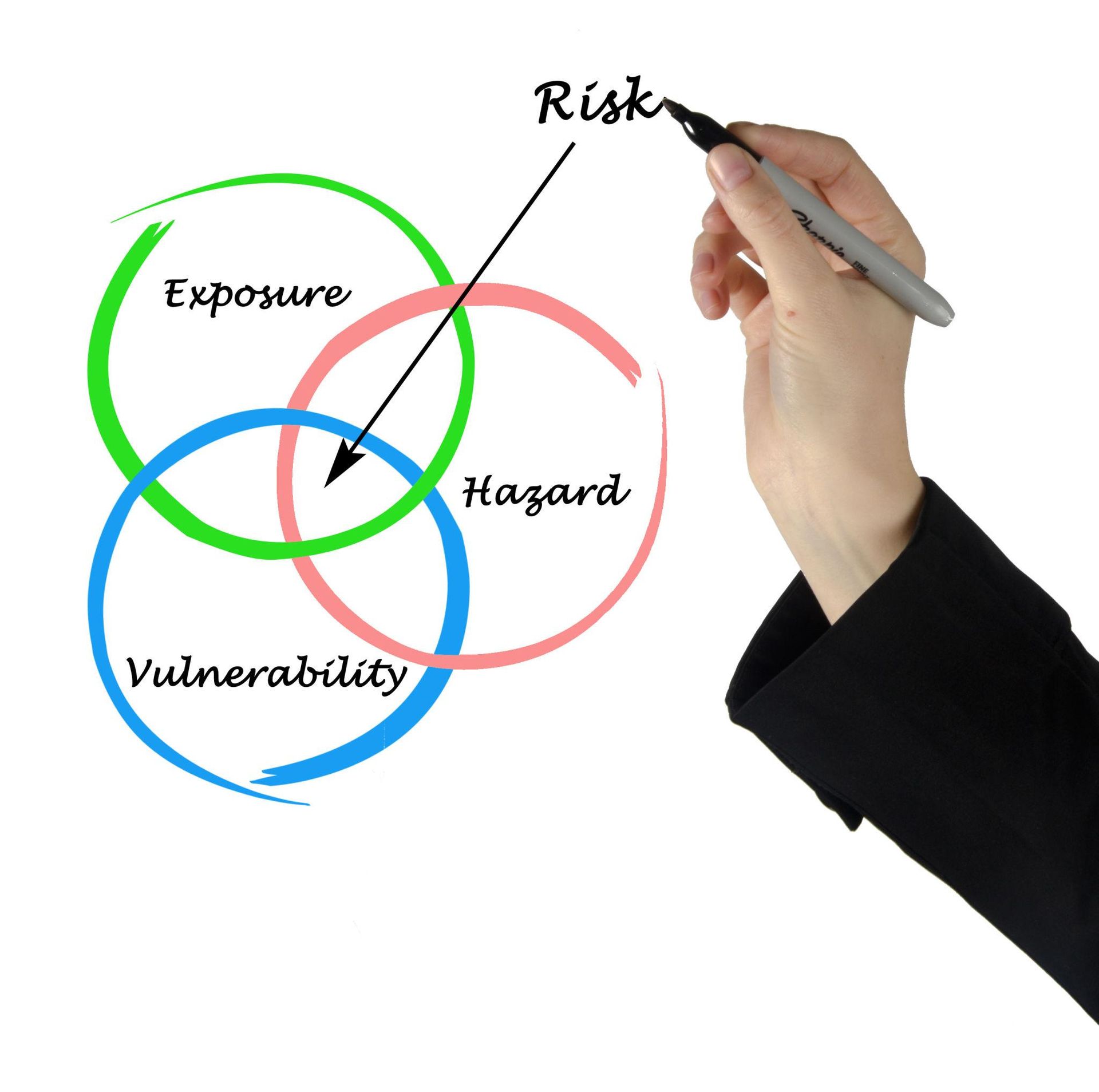 Image: Heat Risk Index
These components work together to provide a more complete picture of risk.
Importantly, the presentation emphasises that vulnerability is not a single factor. It reflects both:
- Sensitivity (how strongly people are affected)
- Adaptive capacity (how well they can respond or recover)
This is where equity becomes central.
Making Complexity Usable: The Role of the Index
Cities often work with large volumes of complex data. The role of the index is to bring these different elements together into a single, interpretable framework.
Rather than viewing isolated data points, decision-makers can see:
- Patterns across neighbourhoods
- Areas of concentrated risk
- Opportunities for intervention
👉 The index transforms complexity into clarity for decision-making.
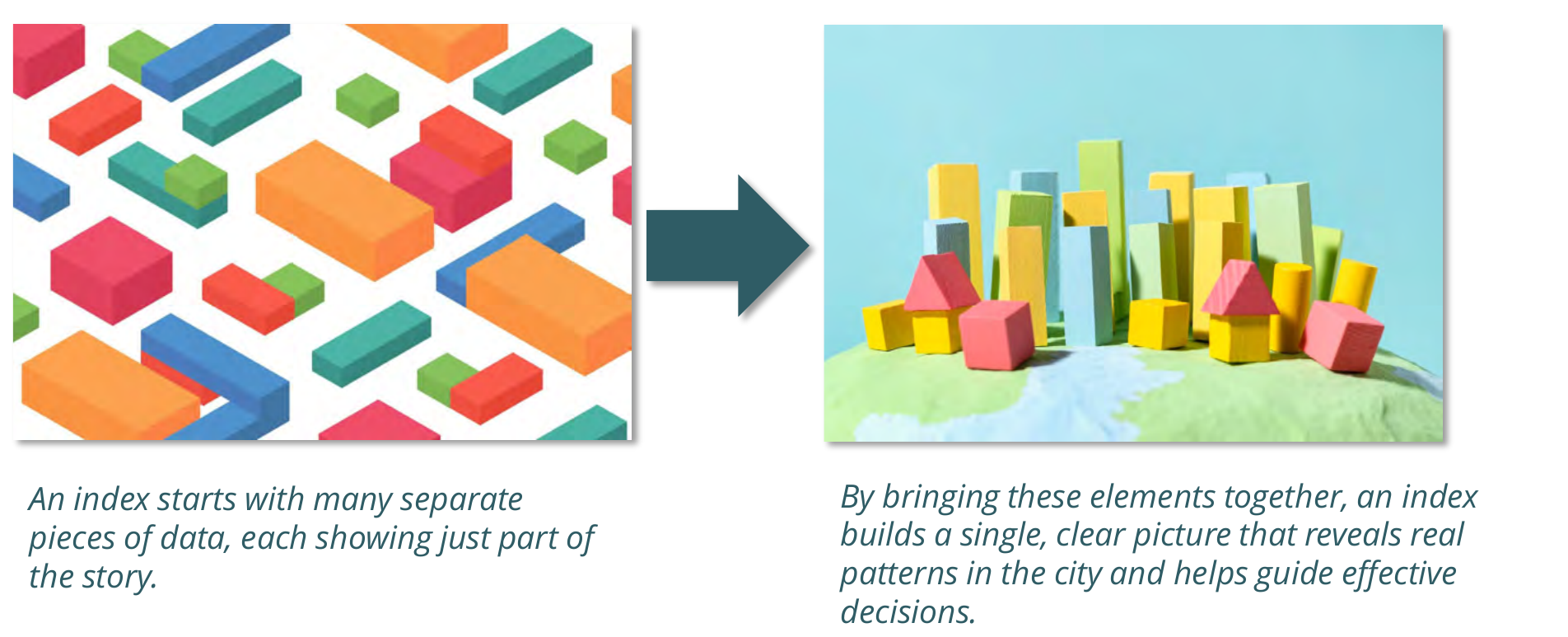 Image: Data Index Transformation
From Analysis to Prioritisation
A critical outcome of this approach is the ability to prioritise.
By combining environmental and social data, cities can identify:
- High-risk areas requiring immediate action
- Moderate-risk areas where preventative measures are needed
- Areas where long-term planning is appropriate
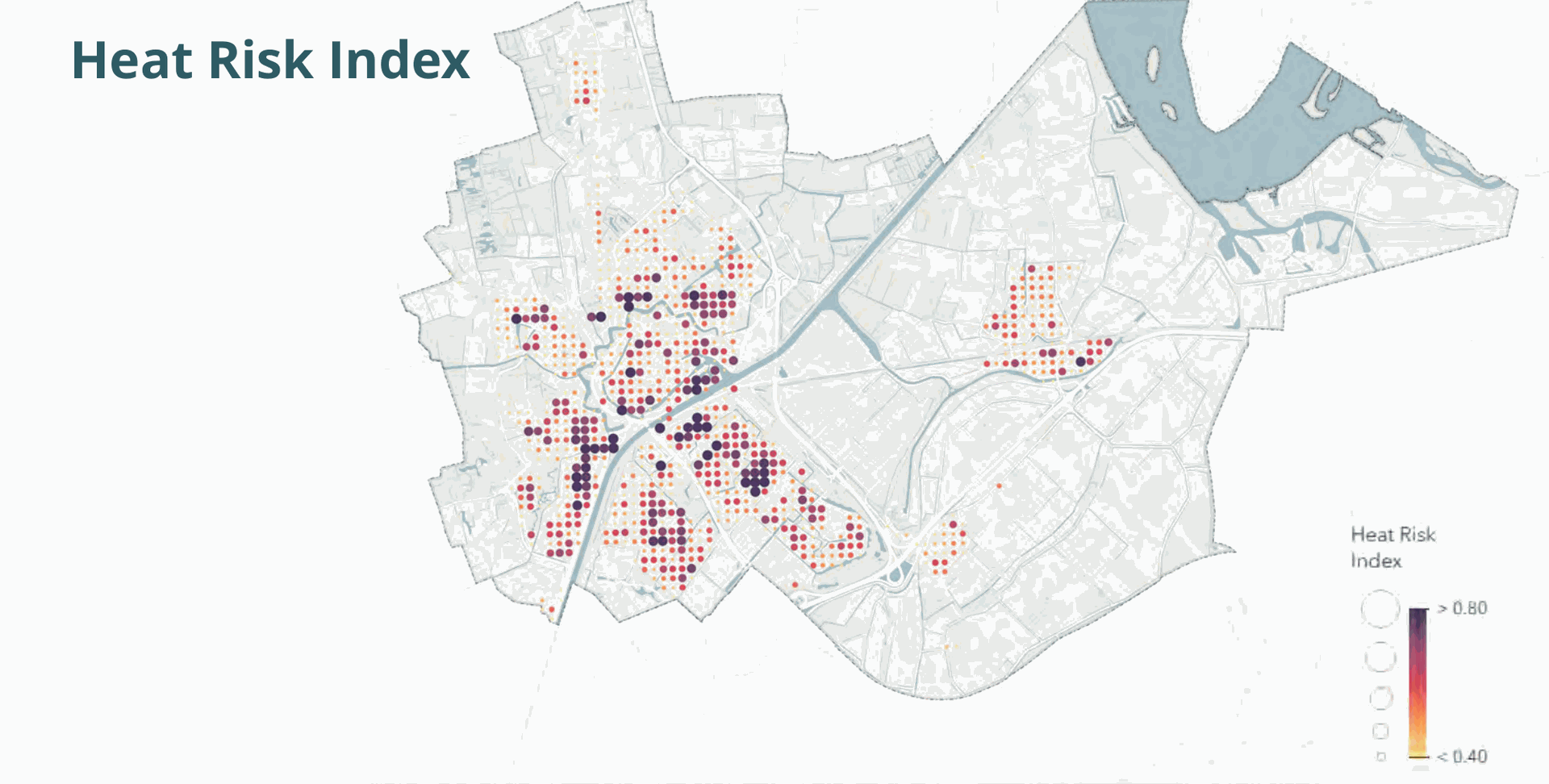 Image: Priority zones / Output
This moves cities away from blanket approaches and towards targeted, evidence-based intervention planning.
Planning Equitable Cool Network
Building on this analysis, the concept of cool networks introduces a spatial dimension to planning.
Rather than isolated interventions, cities are encouraged to think in terms of:
👉 Connected systems of cooler spaces across the urban environment
These networks support:
- Movement through cooler routes
- Access to shaded and green spaces
- Improved thermal comfort across neighbourhoods
A Structured Pathway for Cities
The Cool Cities approach does not provide a fixed solution. Instead, it offers a structured pathway.
Cities are guided through key stages:
- Understanding local context and risk
- Planning city-wide cooling networks
- Prioritising specific interventions
At each stage, cities are encouraged to pause, reflect, and align decisions — recognising that adaptation is an iterative process rather than a linear one.
From Data to Action: Practical Recommendations
The presentation concludes with practical guidance for implementation.
Key messages include:
- Use the Heat Risk Index as a screening tool, not a standalone solution
- Combine data with local knowledge and stakeholder input
- Address both physical and social drivers of heat risk
- Use results to support co-creation and validation with communities
Conclusion: From Analysis to Equitable Action
Stephanie Erwin’s presentation highlights that effective climate adaptation is not only about understanding heat — but about making informed, equitable decisions.
By combining environmental data with social insight, cities can ensure that:
- Interventions are targeted
- Resources are used efficiently
- Outcomes are fair and inclusive
👉 Planning equitable cool networks ensures that the transition from Grey to Green is not only effective — but just.
What Comes Next
This article forms part of the Cool Neighbourhoods Mid-Term Conference series.
👉 Next in the series:
Building on this approach to prioritising and planning interventions, the next article shifts focus to the lived experience of neighbourhoods, exploring how street design can directly influence health and wellbeing, as presented by Inge van Wijk (Landscape Designer, BoschSlabbers Landscape Architects) in her keynote on green streets as a catalyst for a healthy society.